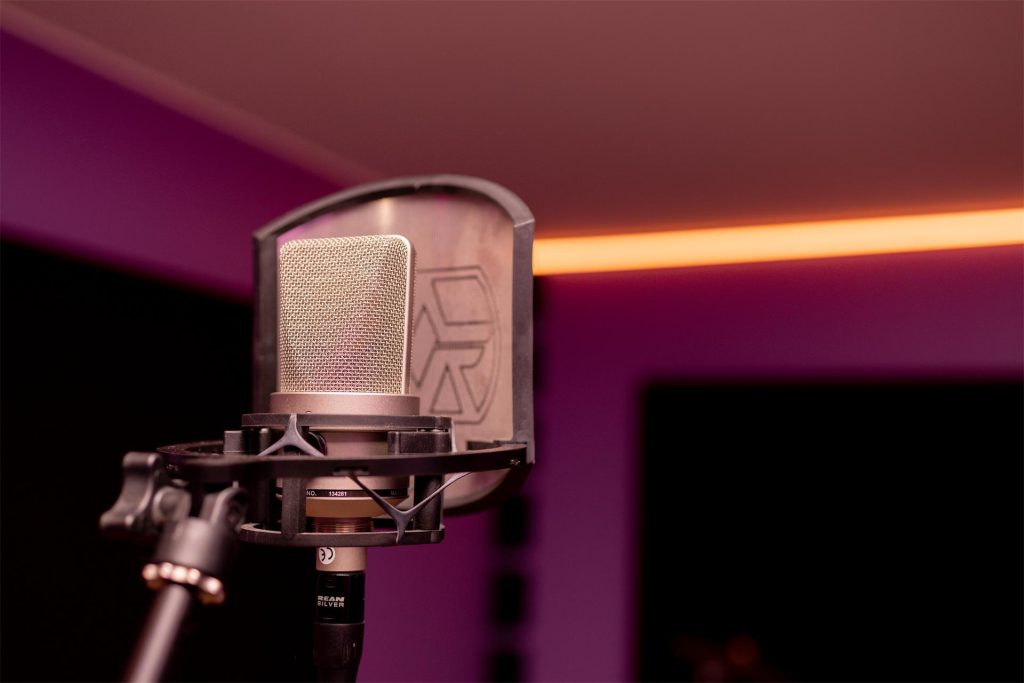
Booking your first studio session feels like crossing a major milestone; however, walking into a studio can feel intimidating if you don’t know what to expect.
All that fancy equipment, those dim lights, the engineer behind the glass; it’s like entering a different world. With the right preparation, your first session can be one of the most rewarding creative experiences you’ll have.
Get crystal clear on your goals
Before you even think about hitting record, you need to know exactly what you’re there to accomplish. Are you cutting a single track? Working through demos for an entire album? Recording voiceover work for a commercial project? Capturing live band performances or experimenting with sound design?
Having specific goals is essential. When you know what you want to achieve, the engineer can set up the right microphones, configure the proper equipment, and create an environment that serves your vision. Plus, clear objectives help you stay focused when decisions need to be made on the fly.
If you’re recording music, consider bringing reference tracks that capture the sound you’re chasing. These don’t have to be songs you want to copy exactly. They are examples that communicate the mood, energy, or production style you have in mind. Think of them as your creative north star during the session.
Practice makes perfect
Studio time costs money, and there’s nothing worse than burning through your budget while you’re still figuring out your parts. The recording booth isn’t where you learn your lyrics or work out tricky chord progressions. That should happen long before you walk through the studio door.
Rehearse everything until it feels second nature. Run through your songs dozens of times. Practice your podcast script out loud. Get comfortable with your material so that when the red light goes on, you can focus on performance rather than remembering what comes next.
That said, perfection isn’t the goal either. We have incredible tools for fixing small mistakes, timing issues, and pitch problems. What matters most is knowing your material well enough to deliver it with confidence and emotion. An imperfect take with a genuine feeling will always beat a technically flawless but lifeless performance.
Pack smart; pack everything
Nothing kills studio momentum like realising you’ve left something crucial at home. Studios are often stacked with great gear, but creating a comprehensive checklist and double-checking it before you leave is a good idea. Your list should include obvious stuff like lyrics, chord charts, or scripts, but don’t forget the less obvious items that can make or break your session.
Bring your instrument if you’re playing one, along with any special pedals, picks, or accessories that are part of your sound. If you’re working with backing tracks, beats, or demo recordings, have them ready on a USB drive or prepared to share via email. Make sure your phone is charged (and bring a charger) if you’re using it for lyric references or demo playback.
Don’t overlook the basics that keep you functioning as a human being. Pack water to keep your voice hydrated, bring snacks to maintain your energy and consider packing anything else that helps you stay comfortable and focused. Some artists bring lucky charms or specific items that put them in the right headspace. There’s no judgment in the studio; bring whatever works for you.
Know your style, but stay flexible
Walk into the studio with a clear sense of your artistic direction and communicate your vision to the engineer and producer. This helps them make technical decisions that support your creative goals.
With that being said, some of the best studio magic happens when you’re open to unexpected directions. Maybe the engineer suggests a different microphone that adds warmth to your voice. Perhaps the producer hears a harmony line you hadn’t considered. The most memorable sessions often include moments where artists step slightly outside their comfort zones and discover something new about their sound.
Arrive early and settle in
Studio environments can feel foreign at first, especially if you’re used to recording at home or in more casual settings. Arrive a few minutes early and get comfortable in the space. Walk around, check out the equipment, and grab a coffee or tea.
Use this time to chat with the engineer about your goals for the session. Ask questions about the process, the equipment, or anything else that might help you feel more at ease. Here at Nest Studio, we are happy to share insights that might improve your experience.
This settling-in period also allows you to do any final preparations. Warm up your voice, tune your instrument, or just take a few deep breaths before diving into the creative work.
Trust the process and embrace imperfection
Your first studio session is an investment in your artistic education. You’re learning how professional recording works, how you respond to the studio environment, and what you need to do differently next time.
Recording studios capture moments in time. Years from now, you’ll listen back to your first in-studio recordings and hear the excitement, nervousness, and raw creativity of your first professional session. Those elements are just as valuable as technical perfection.
Remember here at Nest, we want you to succeed. Trust our expertise, communicate openly about what you’re hearing, and don’t be afraid to ask for another take if something doesn’t feel right.